✨ New Arrivals Just Dropped!Explore

1 / 4
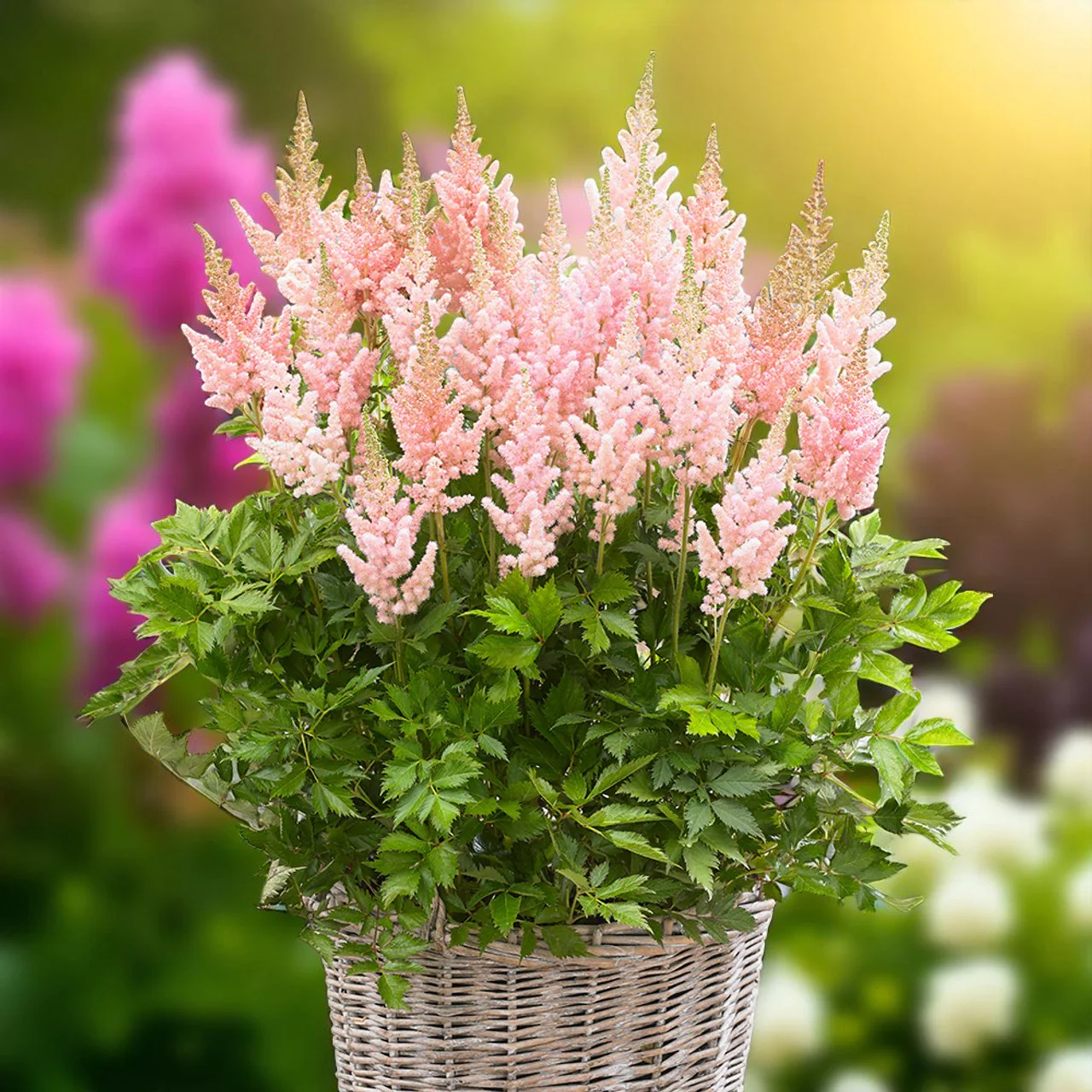
Visions in Pink Astilbe Plant
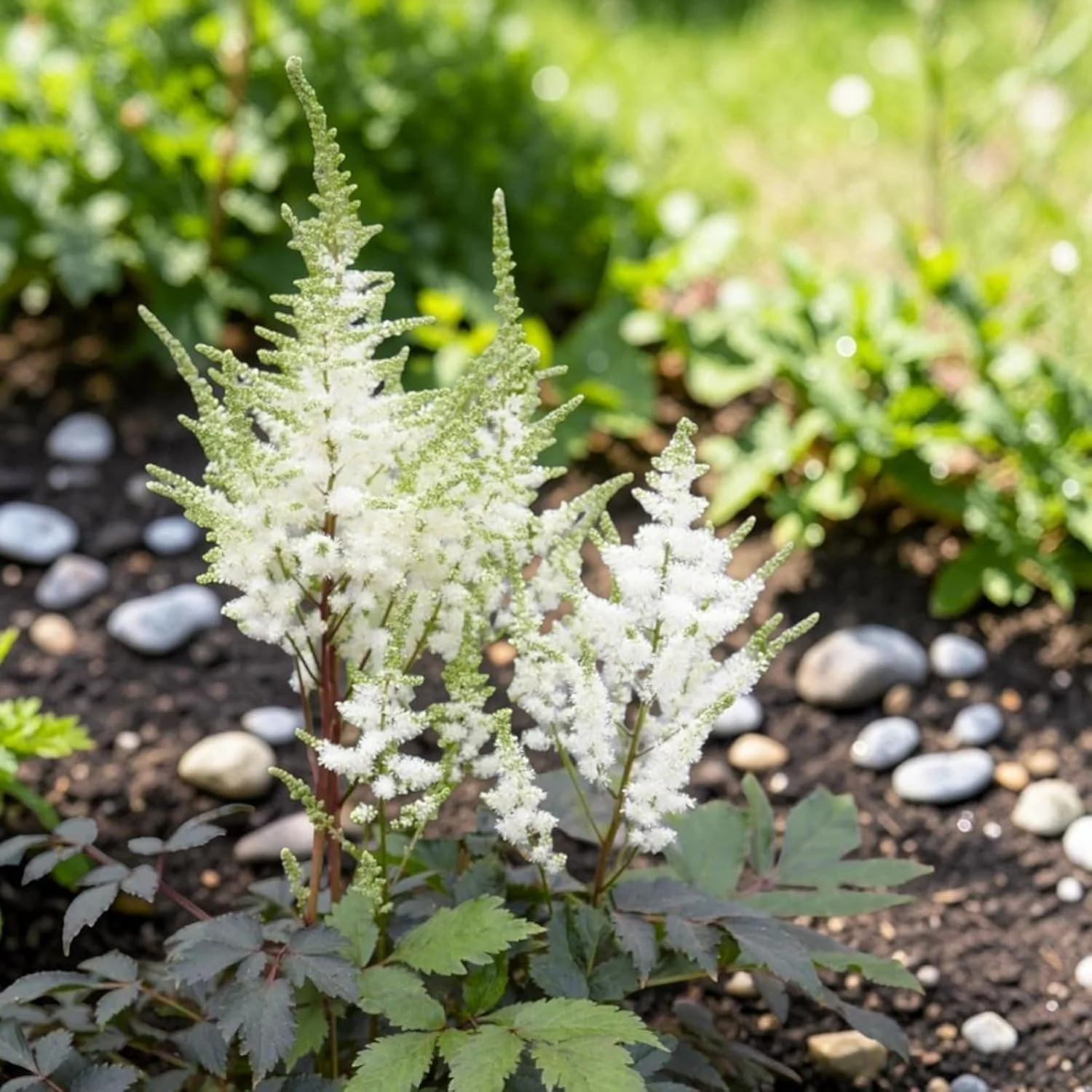
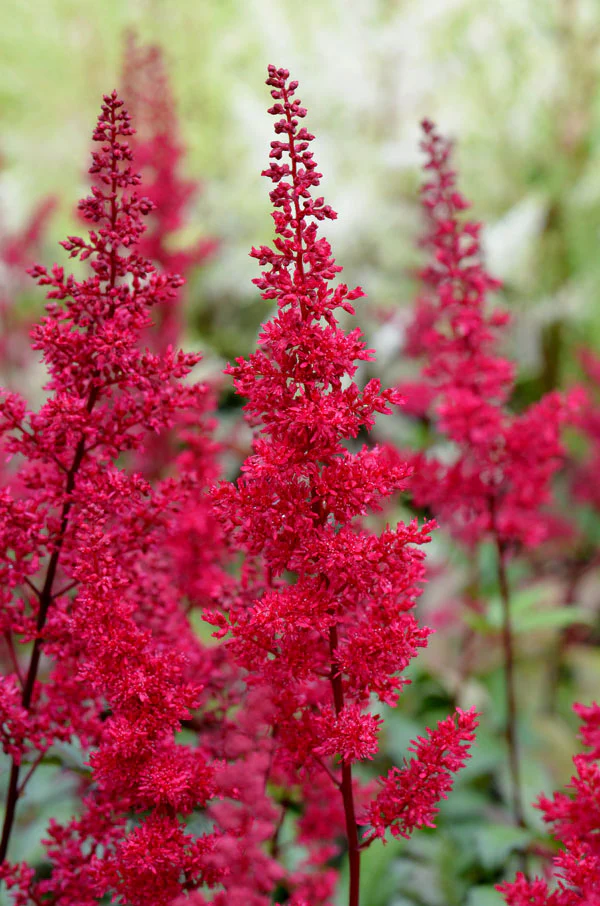
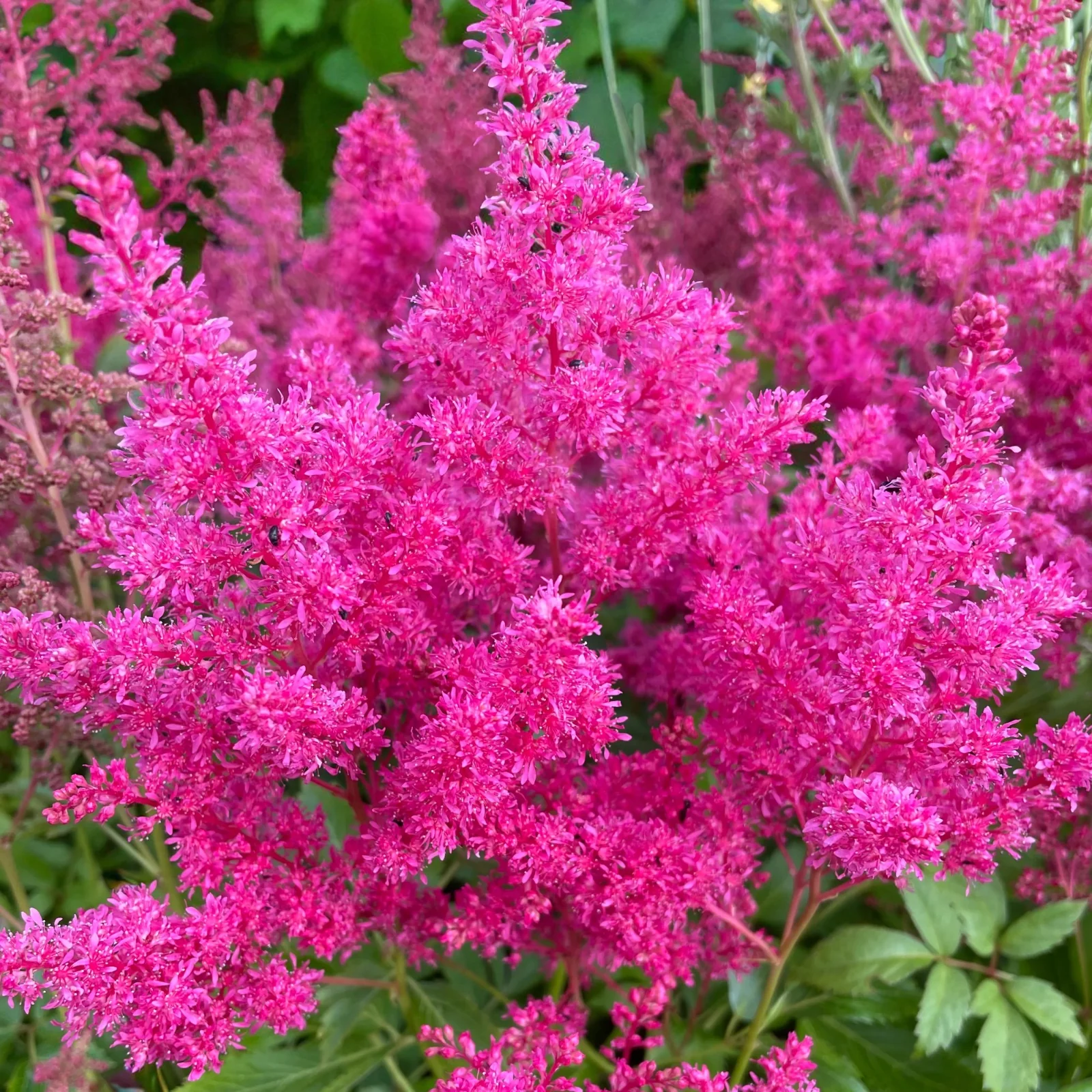
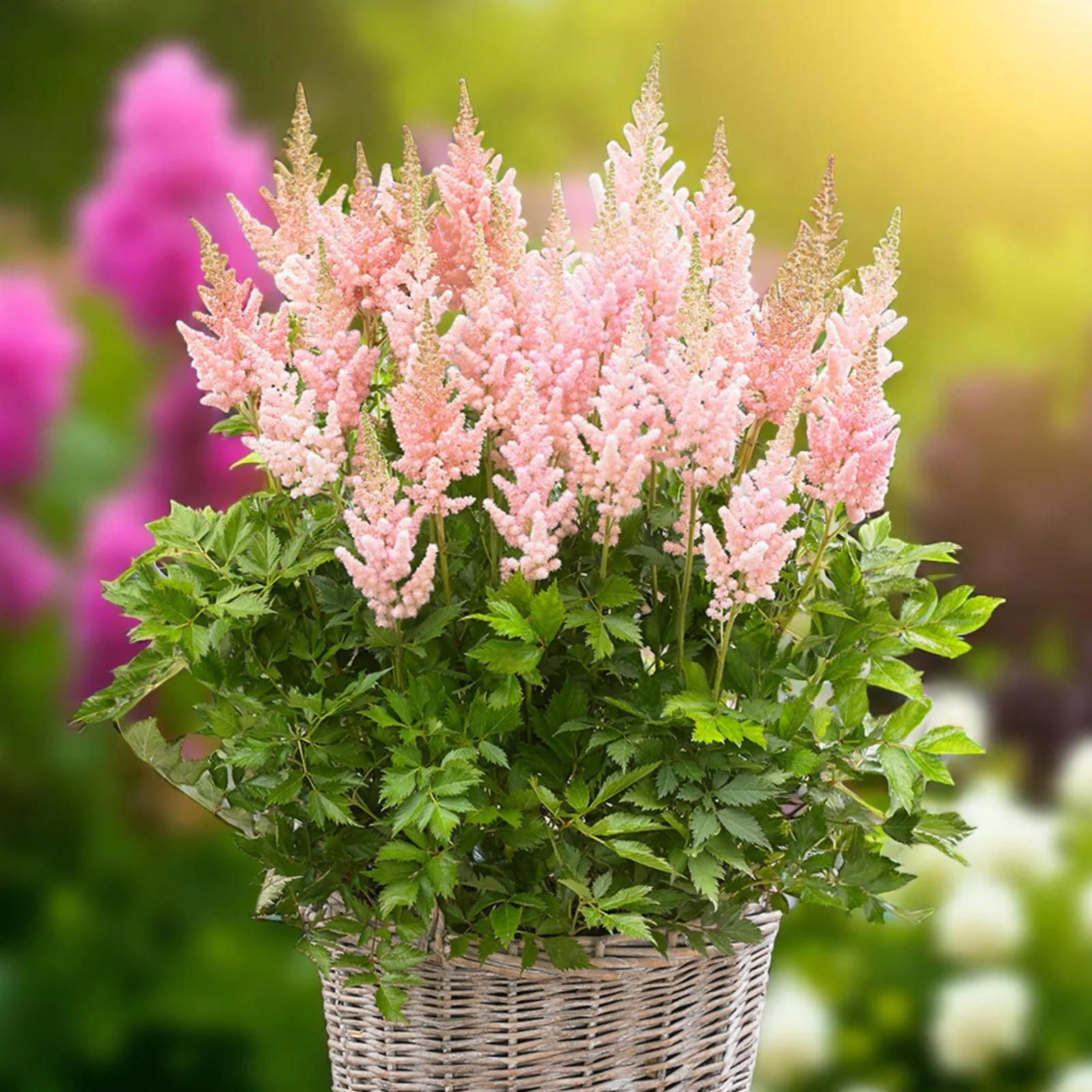
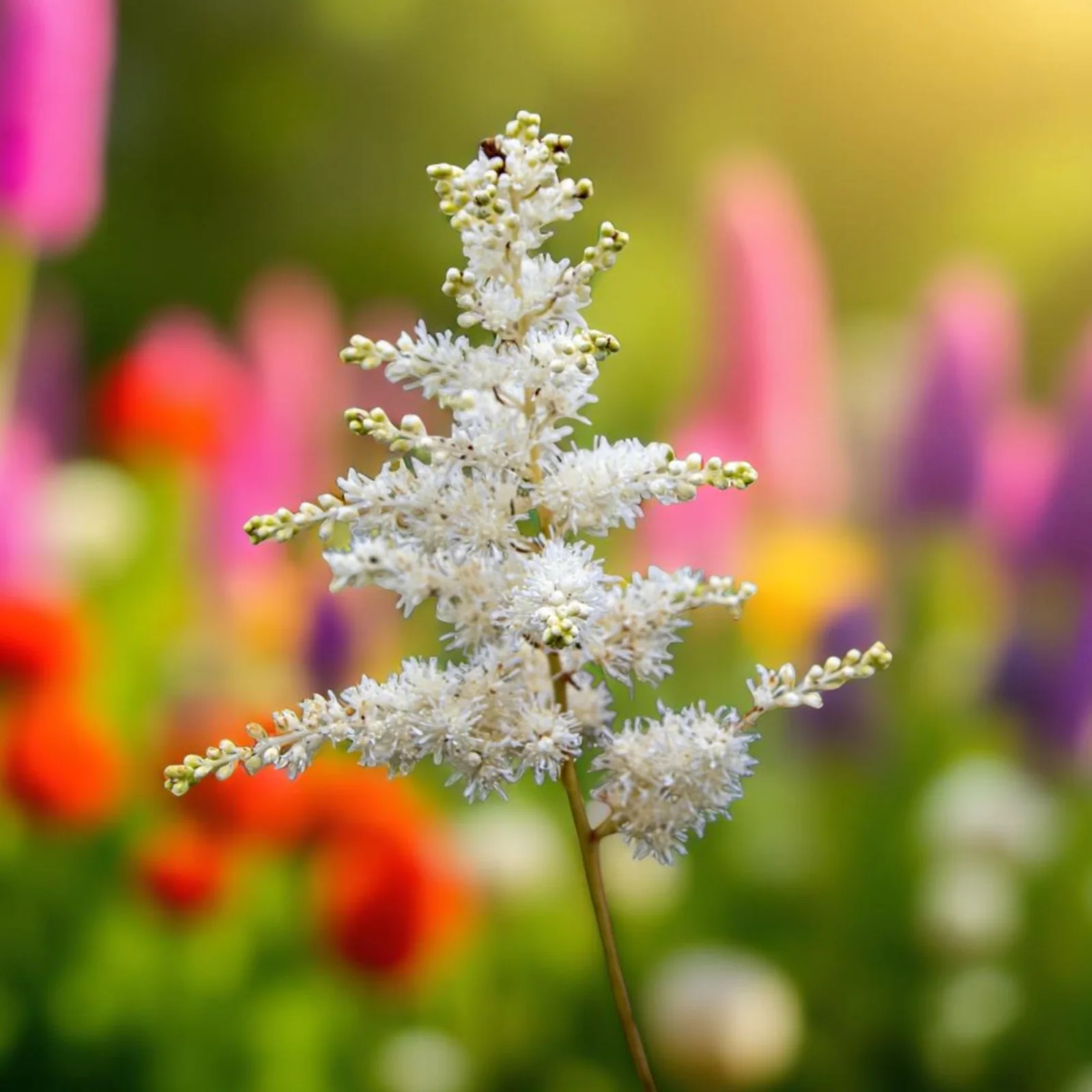
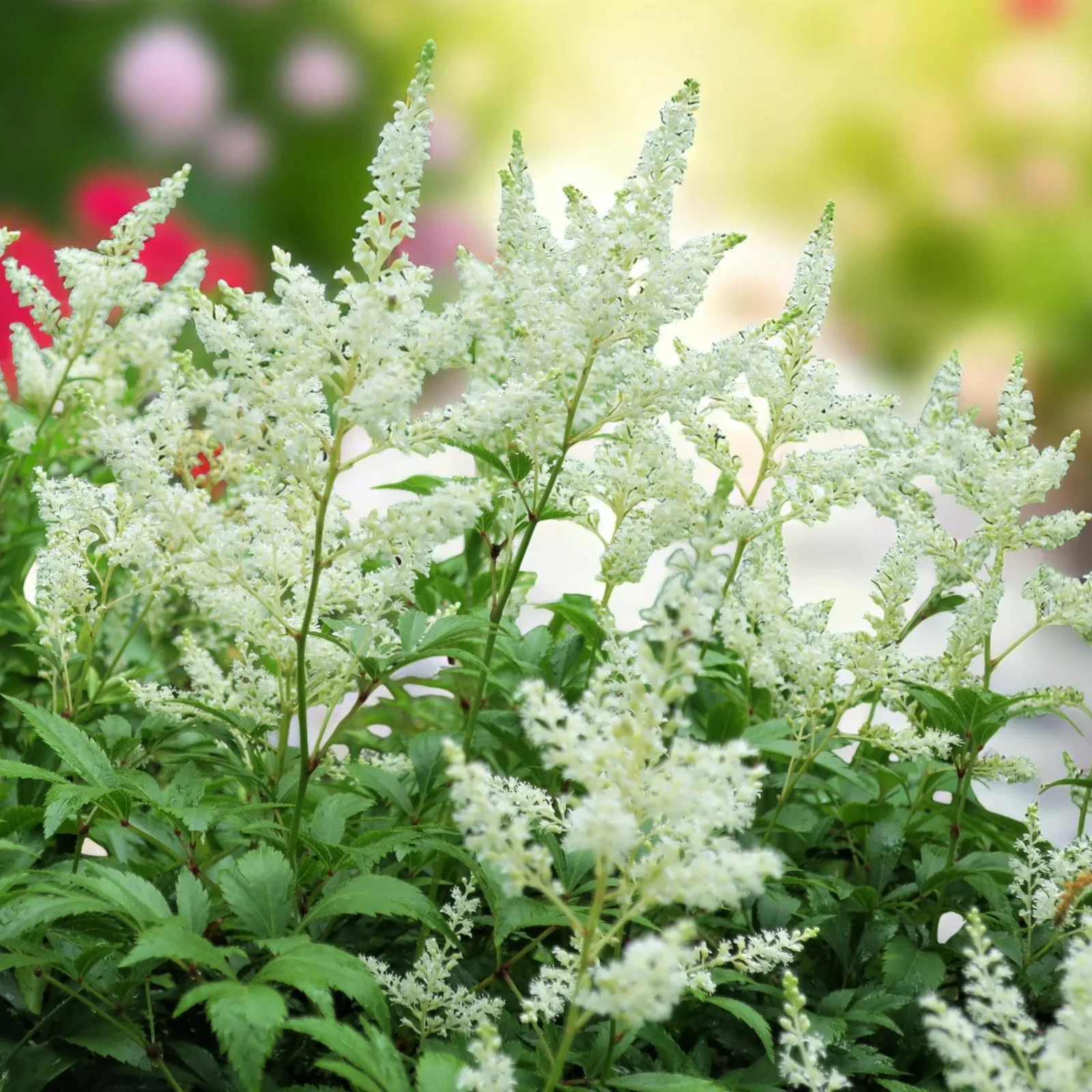
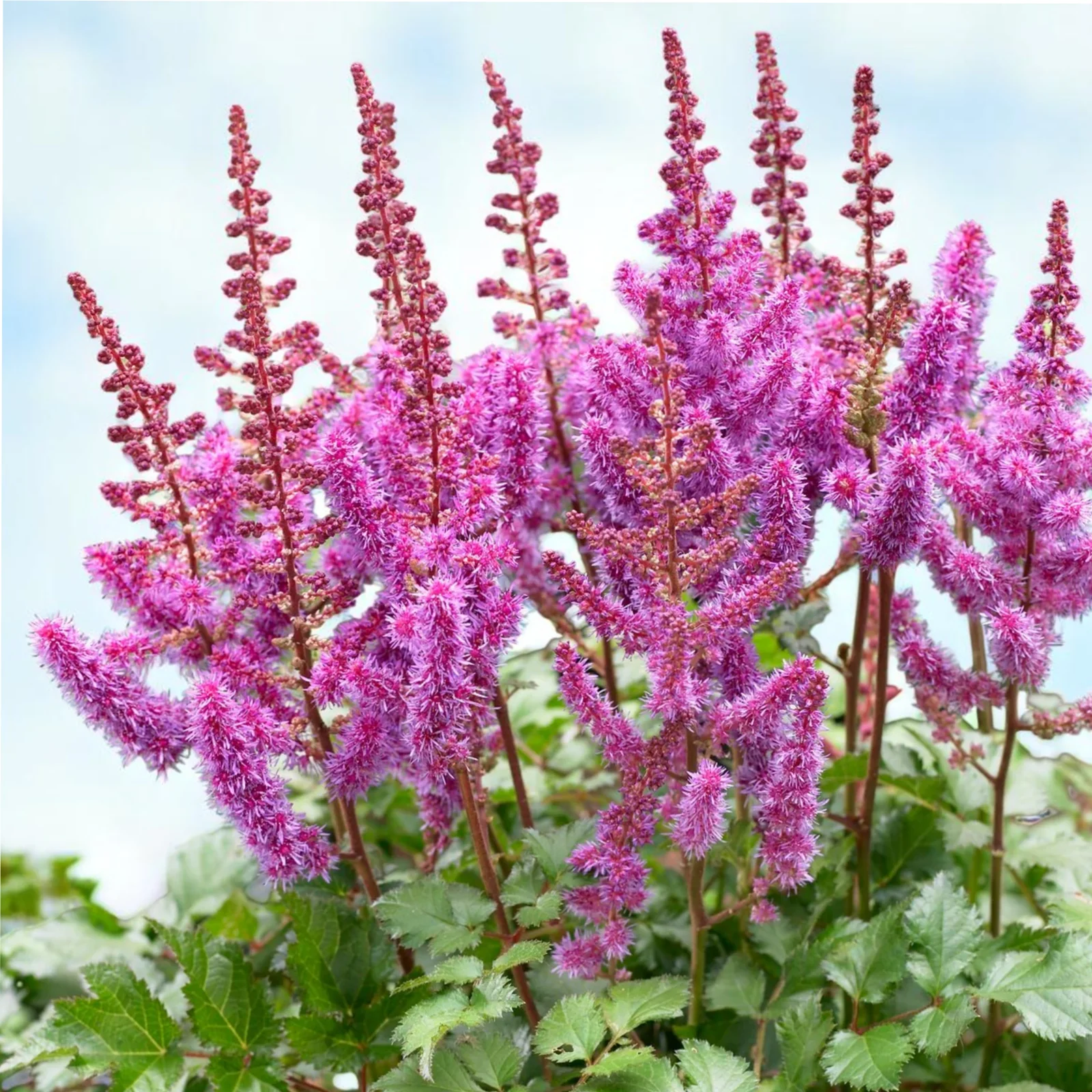
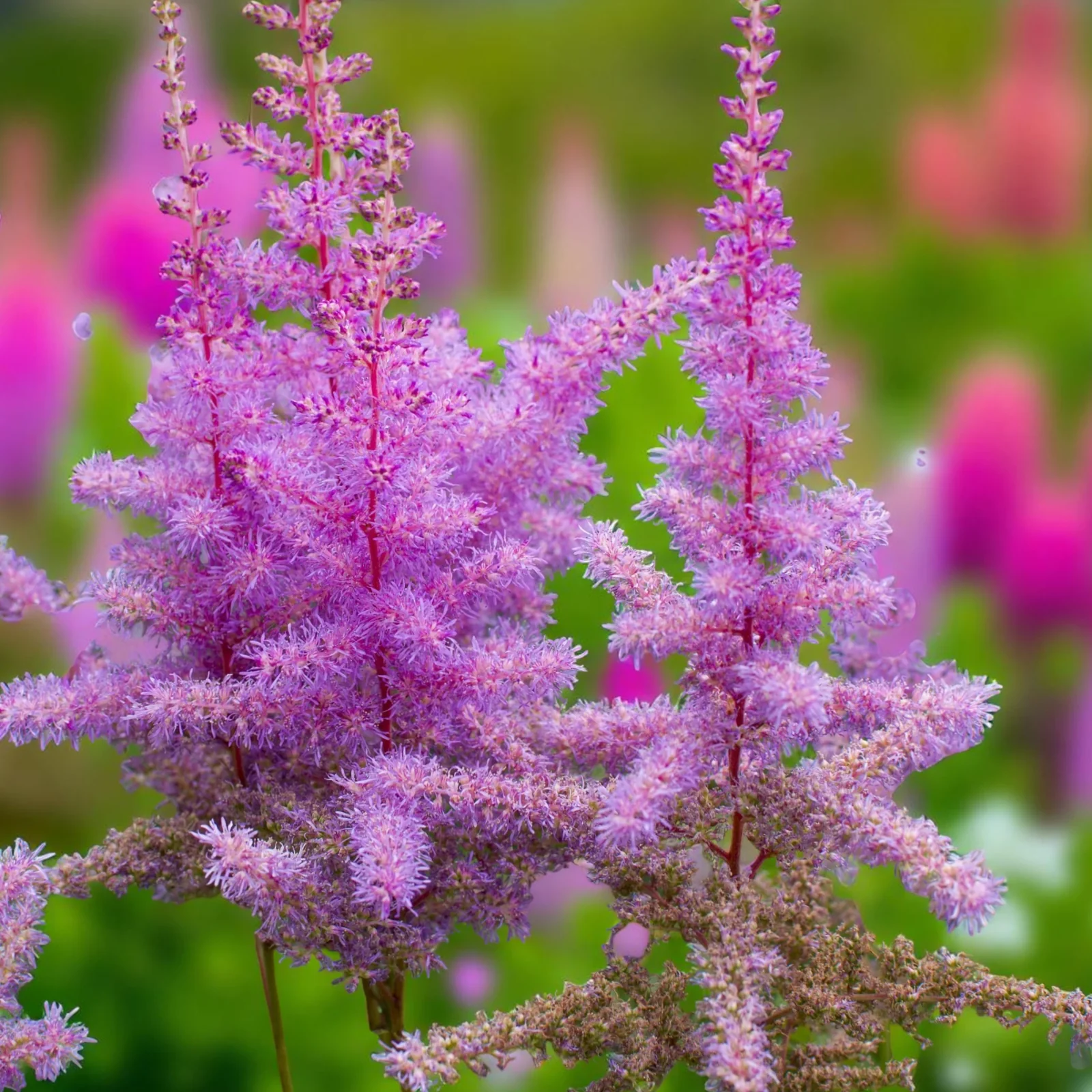
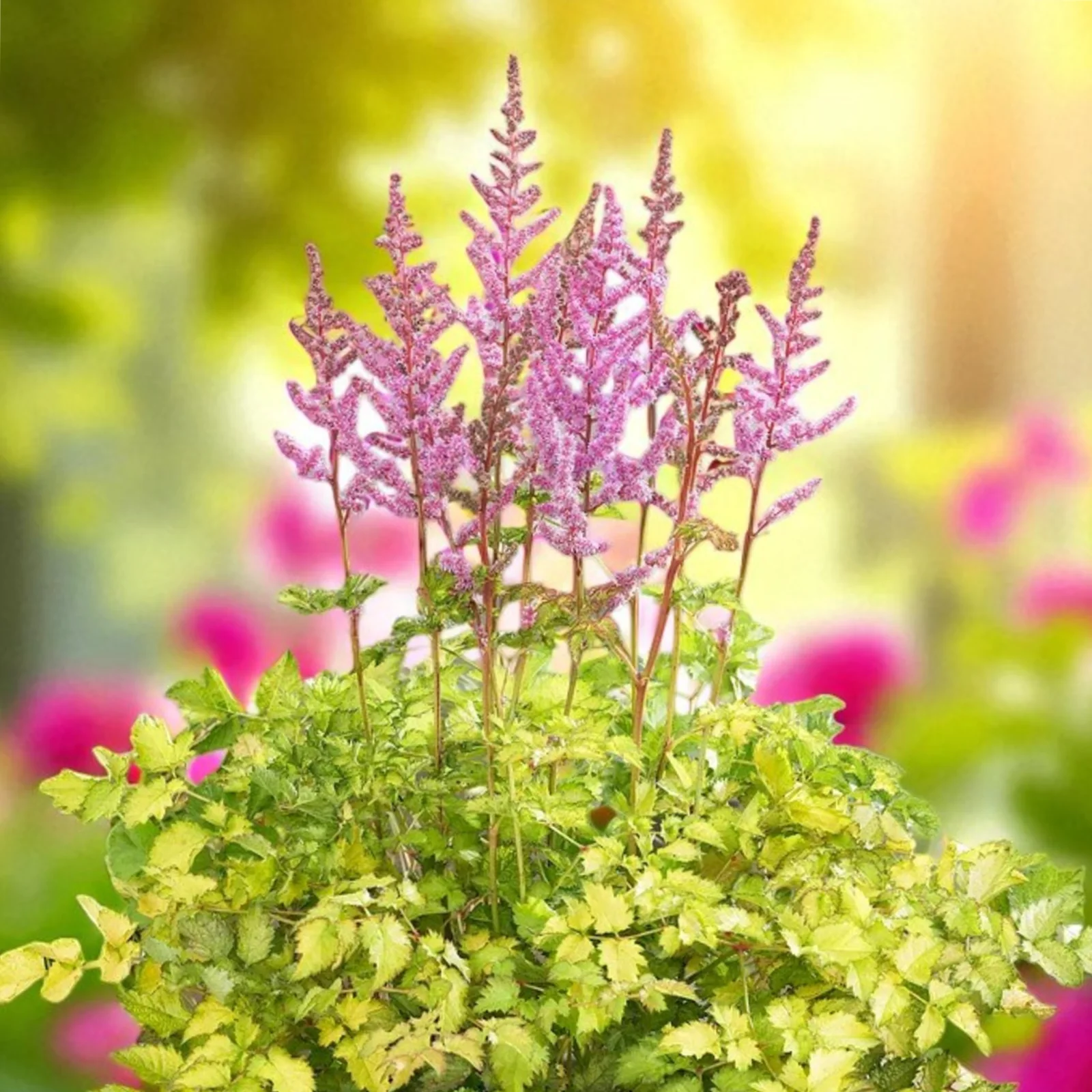
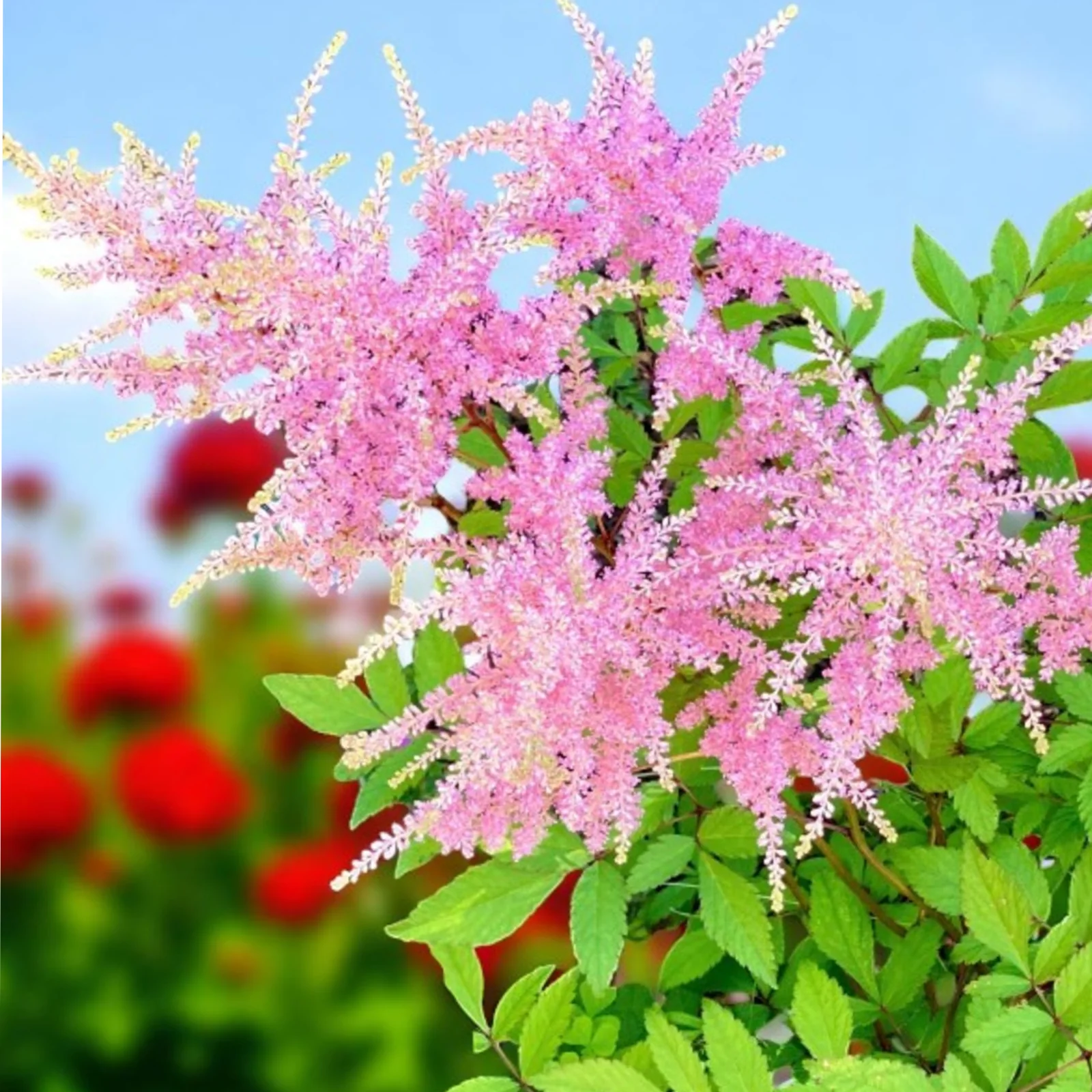
- Beautiful and Delicate Blooms: The 'Visions in Pink' Astilbe produces soft, feathery plumes of pale pink flowers. It is a very bee friendly plant and can be cut and used in floral arrangements.
- Ideal for Part Shade: Thrives in moist, well-drained soil and performs best in partial shade – perfect for brightening up those tricky, less sunny garden spots.
- Grown in a 1 Litre Pot: Supplied in a convenient 1 litre pot, ready to plant straight into your garden, containers, or flower beds for instant impact.
- Herbaceous Perennial: That means it comes back year after year, dying back in winter and regrowing in spring. Note this does however depend on soil and position grown in.
- Beautiful and Delicate Blooms: The 'Visions in Pink' Astilbe produces soft, feathery plumes of pale pink flowers. It is a very bee friendly plant and can be cut and used in floral arrangements.
- Ideal for Part Shade: Thrives in moist, well-drained soil and performs best in partial shade – perfect for brightening up those tricky, less sunny garden spots.
- Grown in a 1 Litre Pot: Supplied in a convenient 1 litre pot, ready to plant straight into your garden, containers, or flower beds for instant impact.
- Herbaceous Perennial: That means it comes back year after year, dying back in winter and regrowing in spring. Note this does however depend on soil and position grown in.
$11.99
Visions in Pink Astilbe Plant—
$11.99
Description
- Beautiful and Delicate Blooms: The 'Visions in Pink' Astilbe produces soft, feathery plumes of pale pink flowers. It is a very bee friendly plant and can be cut and used in floral arrangements.
- Ideal for Part Shade: Thrives in moist, well-drained soil and performs best in partial shade – perfect for brightening up those tricky, less sunny garden spots.
- Grown in a 1 Litre Pot: Supplied in a convenient 1 litre pot, ready to plant straight into your garden, containers, or flower beds for instant impact.
- Herbaceous Perennial: That means it comes back year after year, dying back in winter and regrowing in spring. Note this does however depend on soil and position grown in.