✨ New Arrivals Just Dropped!Explore
HomeStore

Fritillaria Mixed Spring Bulbs

Product image 1
1 / 3

Fritillaria Mixed Spring Bulbs


  • Fritillaria meleagris, commonly known as Snake’s Head Fritillary, is a delicate Spring-flowering bulb that produces bell-shaped blooms in shades of purple, pink, and white, many with a distinctive chequered pattern. Flowering from March to April, these charming perennials are loved by pollinators and bring a soft, naturalistic beauty to the garden. Each slender stem grows to around 30 cm tall and once established, these fritillaries return reliably every year with minimal upkeep.

  • Plant Fritillaria bulbs from Autumn to early Winter in moist but well-drained soil, preferably in a partially shaded spot. Space bulbs approximately 8-10cm apart and at a depth of 8cm. Water thoroughly after planting and keep soil consistently moist during the growing season. Adding leaf mould or compost to the soil can help improve drainage and fertility. These hardy bulbs benefit from being left undisturbed to naturalise and spread over time.

  • Perfect for naturalising in lawns, meadows, under deciduous trees, or along woodland edges, Snake’s Head Fritillaries also thrive in flower beds, borders, or containers. Their nodding flowers and grass-like foliage complement spring bulbs such as crocuses and narcissus. Suitable for pollinator-friendly planting schemes and low-maintenance gardens, they also make dainty cut flowers.
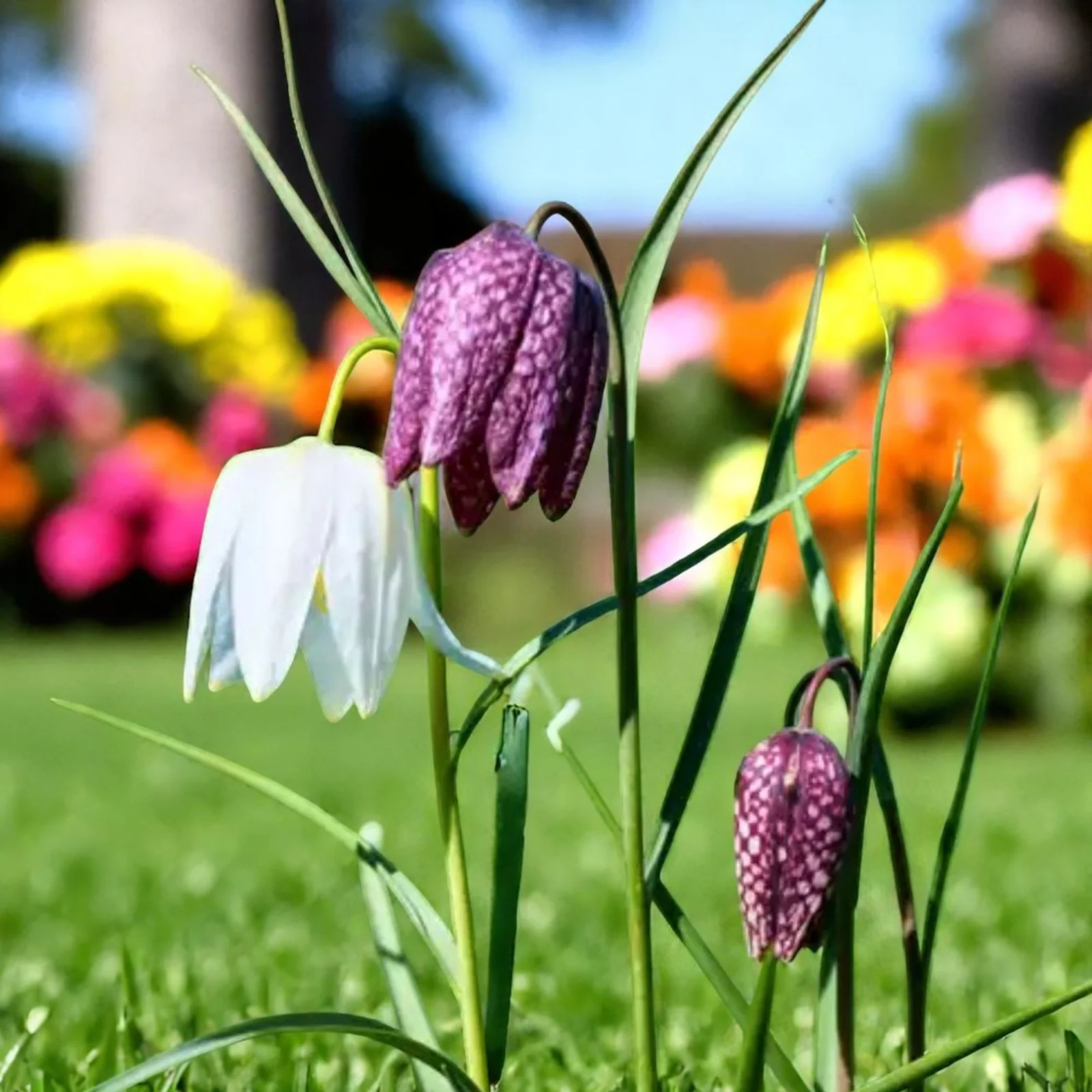

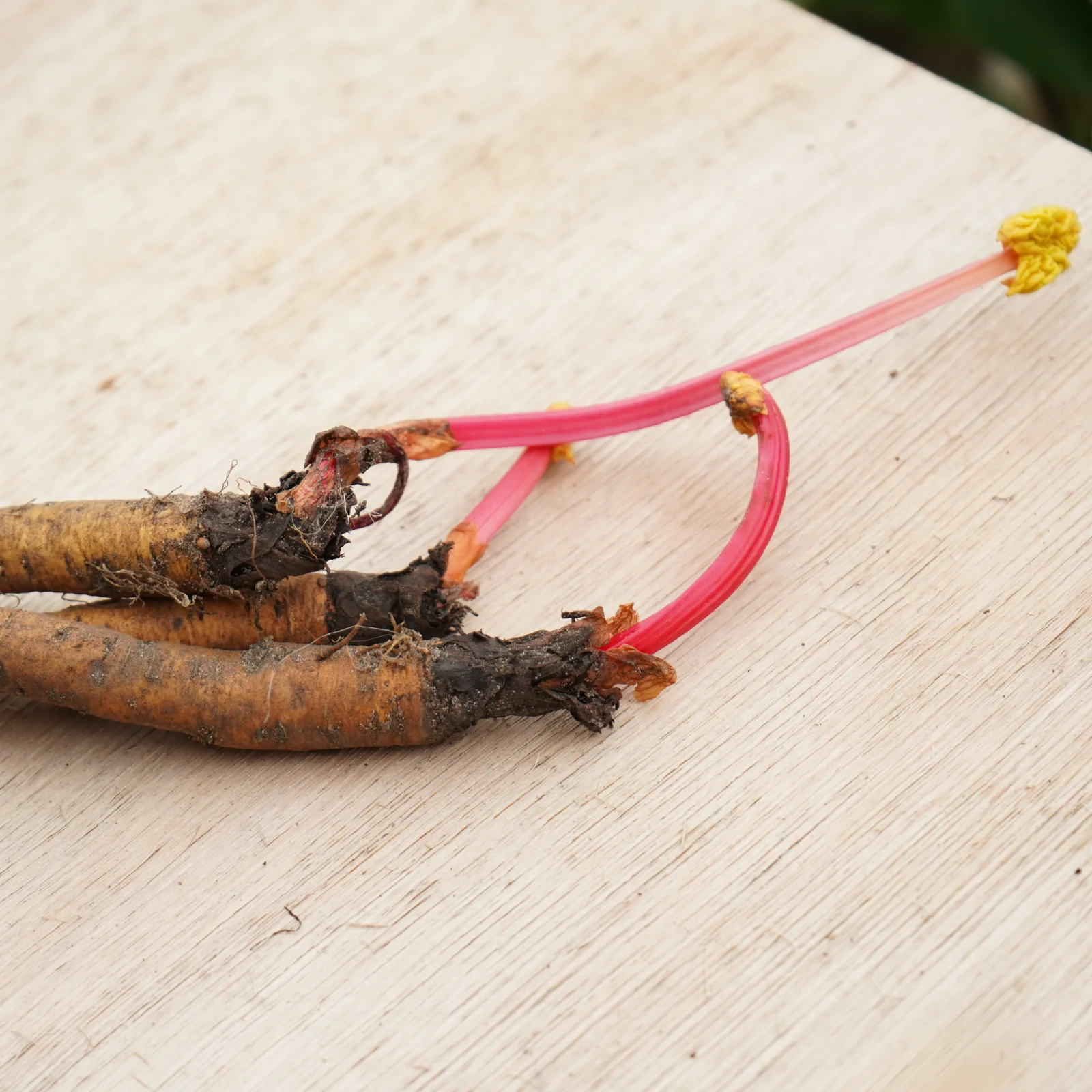
  • Fritillaria meleagris, commonly known as Snake’s Head Fritillary, is a delicate Spring-flowering bulb that produces bell-shaped blooms in shades of purple, pink, and white, many with a distinctive chequered pattern. Flowering from March to April, these charming perennials are loved by pollinators and bring a soft, naturalistic beauty to the garden. Each slender stem grows to around 30 cm tall and once established, these fritillaries return reliably every year with minimal upkeep.

  • Plant Fritillaria bulbs from Autumn to early Winter in moist but well-drained soil, preferably in a partially shaded spot. Space bulbs approximately 8-10cm apart and at a depth of 8cm. Water thoroughly after planting and keep soil consistently moist during the growing season. Adding leaf mould or compost to the soil can help improve drainage and fertility. These hardy bulbs benefit from being left undisturbed to naturalise and spread over time.

  • Perfect for naturalising in lawns, meadows, under deciduous trees, or along woodland edges, Snake’s Head Fritillaries also thrive in flower beds, borders, or containers. Their nodding flowers and grass-like foliage complement spring bulbs such as crocuses and narcissus. Suitable for pollinator-friendly planting schemes and low-maintenance gardens, they also make dainty cut flowers.

  • $10.99
    Fritillaria Mixed Spring Bulbs
    $10.99

    Description


  • Fritillaria meleagris, commonly known as Snake’s Head Fritillary, is a delicate Spring-flowering bulb that produces bell-shaped blooms in shades of purple, pink, and white, many with a distinctive chequered pattern. Flowering from March to April, these charming perennials are loved by pollinators and bring a soft, naturalistic beauty to the garden. Each slender stem grows to around 30 cm tall and once established, these fritillaries return reliably every year with minimal upkeep.

  • Plant Fritillaria bulbs from Autumn to early Winter in moist but well-drained soil, preferably in a partially shaded spot. Space bulbs approximately 8-10cm apart and at a depth of 8cm. Water thoroughly after planting and keep soil consistently moist during the growing season. Adding leaf mould or compost to the soil can help improve drainage and fertility. These hardy bulbs benefit from being left undisturbed to naturalise and spread over time.

  • Perfect for naturalising in lawns, meadows, under deciduous trees, or along woodland edges, Snake’s Head Fritillaries also thrive in flower beds, borders, or containers. Their nodding flowers and grass-like foliage complement spring bulbs such as crocuses and narcissus. Suitable for pollinator-friendly planting schemes and low-maintenance gardens, they also make dainty cut flowers.